

Spelling: the invisible bridge to linguistic confidence
Discover at St. Gabriel’s how spelling is much more than just spelling: it is the bridge to linguistic confidence.
At St. Gabriel’s, we understand learning English as a comprehensive process, where each skill builds confidence and autonomy. Within that process, spelling plays a much more important role than we sometimes imagine.
Far from being a chaotic system, English follows its own logic.
Why does spelling strengthen pronunciation, reading, and writing?
-
Connection between sound and meaning
In English, spelling not only represents sounds; it also preserves the structure of words. For example, in sign, the ‘g’ is not pronounced, but it reappears in signal and signature.
Understanding these relationships helps students recognise lexical families and expand their vocabulary with greater confidence. -
Deep visual memory
When spelling, the brain creates an ‘image’ of the word. Many students can visualise it mentally before writing it down. This visual memory allows them to read more fluently and write with less hesitation, because the word is already stored as a recognisable unit.
-
Reading fluency
There is a direct relationship between spelling accuracy and reading speed. When the brain recognises the structure of a word, it does not need to stop and decipher it letter by letter.
-
Accuracy at advanced levels (B2–C2)
At higher levels, spelling becomes a tool of precision. In formal examinations and academic or professional settings, a spelling error can alter the meaning or detract from the clarity of the message. Accuracy demonstrates attention to detail and a deep mastery of the structure of the language.
Practical ideas for home and the classroom
On that basis, we develop specific strategies that students can apply independently in new situations:

Air Writing
'Write' the word in the air as each letter is pronounced.
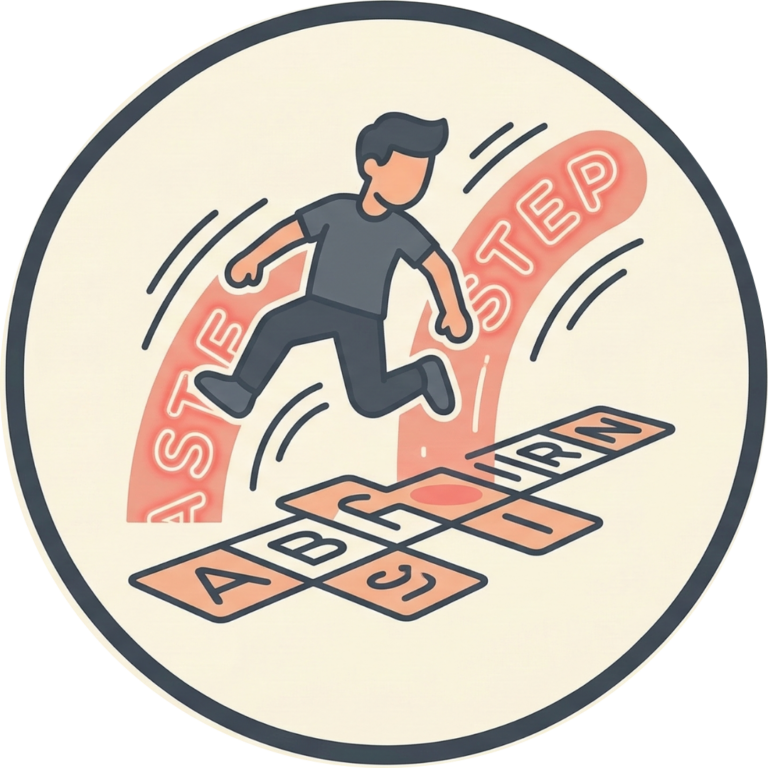
The Spelling Steps
Place letters on the floor and form the word by jumping in the correct order.
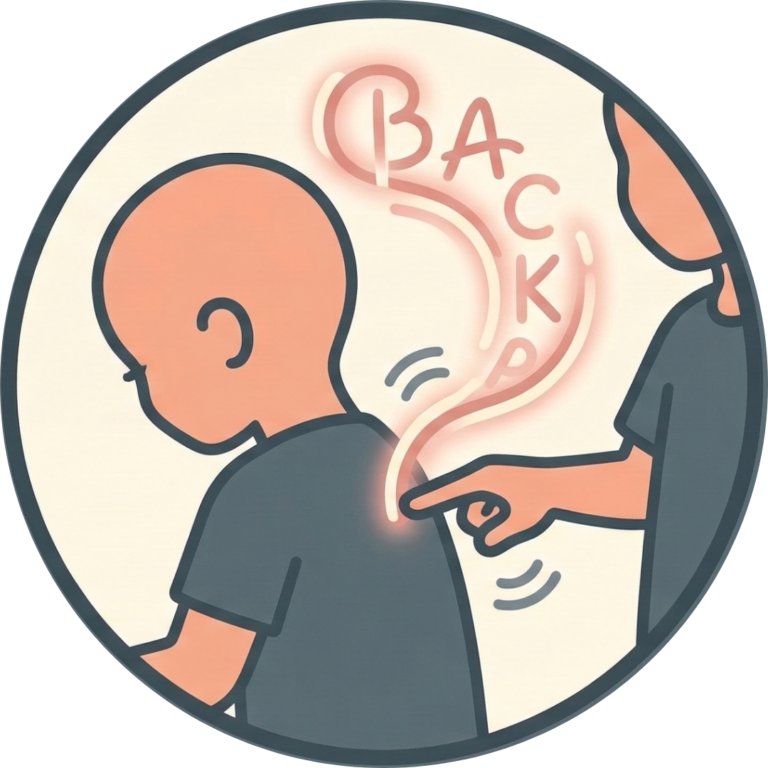
Back-to-back
Write the word with your finger on the child's back so that they can identify and spell it.
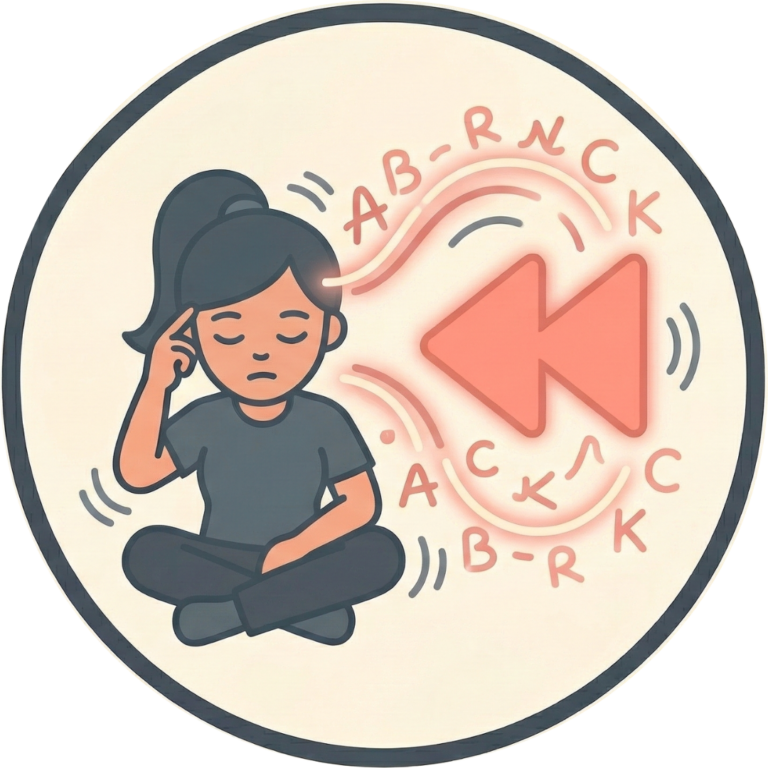
The Rewind
Spell the word backwards, reinforcing mental visualisation.
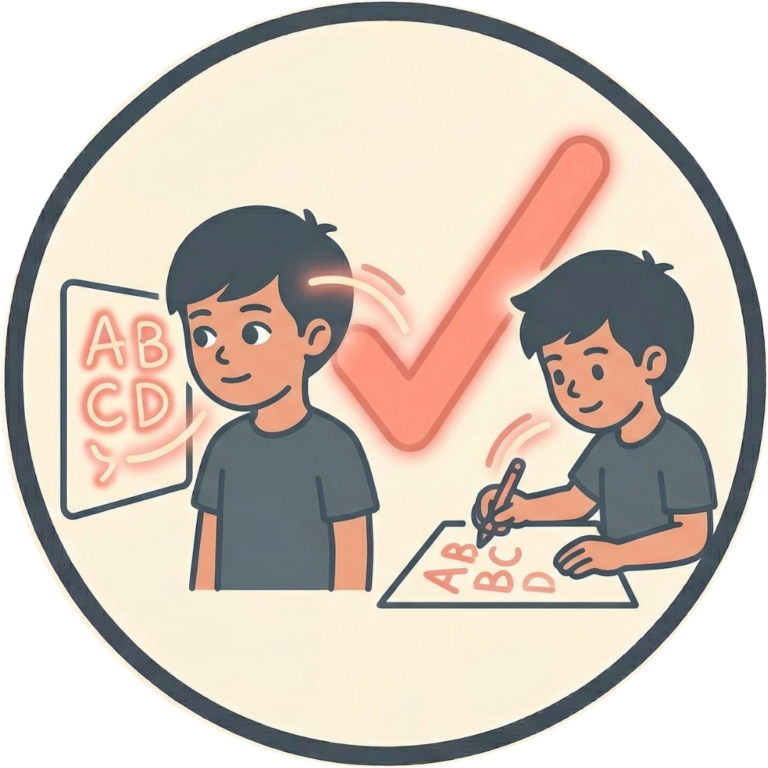
Look, Say, Cover, Write, Check
Look at the word, say it, cover it up, write it down and check it.

Spelling Challenge
BEGINNER
friend
Wednesday
people
school
because
INTERMEDIATE
believe
business
neighbour
receipt
enough
ADVANCED
necessary
hierarchy
questionnaire
conscientious
liaison
To continue practising
We recommend these interactive games from the British Council, which turn practice into a dynamic and motivating experience:
PRIMARY SCHOOL
Speak and Spell
Learn how to say and spell English words with songs and stories.
TEENAGERS
Sushi Spell
How many words can you Sushi Spell in two minutes? Take the sushi from the moving belt to spell as many words as you can.
At St. Gabriel’s, we believe that linguistic confidence is not built solely by speaking more, but by better understanding how language works. Spelling is one of those invisible bridges that transform doubt into confidence and effort into real competence.
Author
Martina Caveda
Academic Coordinator in the English Department at St. Gabriel's International
Martina Caveda Pirro is an English teacher with a degree in English Teaching from CAECE University (Argentina). She has over 11 years of experience teaching English in both the public and private sectors. She currently works as a teacher and Academic Coordinator in the English Department at St Gabriel's International.